
Fortifeye Vitamins Unveils the Cutting-Edge, Next Gen, Zinc-Free Macular Defense Formula, Elevating Eye Health to New Heights
 Fortifeye Vitamins Releases Next Gen, Zinc-Free Macular Defense
Fortifeye Next Gen Zinc-Free Macular Defense Zinc-Free Macular Defense
…
Beauty-Stem Biomedical Holds Successful CD34 Stem Cell Medical Symposium Exploring Regenerative Trend ‘CD34 Health Deposit’
 Beauty-Stem Biomedical’s Medical Seminar Unveils Remarkable Link Between CD34 Stem Cells and Human Well-Being: Regeneration, Immune Enhancement and Hematopoiesis

Dr. David Chen & Ryan Huang
(r) Ryan Huang, CEO of Beauty-Stem Biomedical, and (l) Dr. David Chen, Director of Diagnostic Medical Group of Southern California
LOS ANGELES, July 28, 2023 (Newswire.com)
–
Ryan Huang, CEO of Beauty-Stem Biomedical, and Dr. David Chen, director of Diagnostic Medical Group of Southern California, delivered a compelling presentation highlighting the numerous benefits of CD34 stem cells. Together, they introduced the concept of “Health Deposit” to the public, emphasizing the critical importance of maintaining optimal CD34 stem cell counts for overall health and well-being.
“CD34 stem cells can be aptly described as the deposit of a Health Saving Account, where the principle is simple: the more CD34 stem cells an individual possesses, the greater their physical well-being,” said Ryan Huang, CEO of Beauty-Stem Biomedical.
Dr. David Chen has listed three major contributions of CD34 Stem cells to human well-being. “Countless clinical data and publish has proved that maintaining higher levels of CD34 stem cells can have significant health benefits.”
- Regeneration: CD34 stem cells have regenerative properties, meaning they can differentiate into different cell types and help repair damaged tissues and organs. When introduced into injured areas, they can promote tissue repair and regeneration.
- Immune Enhancement: CD34 stem cells can contribute to immune enhancement by giving rise to immune cells, such as natural killer (NK) cells, which play a critical role in the body’s defense against infections, cancers, and other foreign invaders.
- Hematopoiesis: CD34 stem cells play a crucial role in hematopoiesis, the process by which all types of blood cells are produced. They are responsible for generating various blood cell lineages, including red blood cells, white blood cells, and platelets. This essential function ensures a steady supply of healthy blood cells, which are vital for oxygen transport, immune response, and clotting.
Beauty-Stem Biomedical encourages individuals to quantitate their own “Health Deposit” by testing their CD34 stem cell counts. Knowing the levels of these powerful cells can provide valuable insights into overall health and well-being, empowering proactive measures to boost immune function.
Contact Information:
Kaihsiang Lee
Marketing Manger
888-341-7505
Original Source:
Beauty-Stem Biomedical Holds Successful CD34 Stem Cell Medical Symposium Exploring Regenerative Trend ‘CD34 Health Deposit’
Unify Medical Announces Know-How Agreement With Mayo Clinic for Fluorescence-Guided Visualization
 Unify Medical, Inc., a privately-held, smart, surgical visualization technology company, announced it has entered into a know-how agreement with Mayo Clinic to assess and develop clinical applications using Unify’s fluorescence-guided visualization technology

Unify Medical
Unify Medical Logo
SCOTTSDALE, Ariz., July 28, 2023 (Newswire.com)
–
Unify Medical, Inc., a privately-held, smart, surgical visualization technology company, announced it has entered into a know-how agreement with Mayo Clinic to assess and develop clinical applications using Unify’s fluorescence-guided visualization technology.
Michael Kendrick, MD, Chair of the Department of Surgery, Mayo Clinic, will be the principal investigator. This collaboration will leverage Unify Medical’s wearable fluorescence-guided, surgical device technology for pancreatic cancer applications.
“We believe this collaboration will aid in the advancement of specific applications for pancreatic cancer,” said Rick Kovach, CEO of Unify Medical.
About Fluorescence-guided Surgery
To date, surgeons have faced limitations in confidently assessing the location and full extent of cancerous tissue while operating. Unify Medical’s fluorescent visualization technology will allow surgeons to see tissue perfusion and optimize surgical planning.
Mayo Clinic has a financial interest in the technology referenced in this press release. Mayo Clinic will use any revenue it receives to support its not-for-profit missions in patient care, education, and research.
About Unify Medical, Inc.
Unify Medical develops several surgical visualization technologies, including fluorescence-imaging solutions. The Company’s first product is currently under development for use during multiple surgical applications and is not yet FDA-approved. For more information, visit www.unifymedical.com.
Contact Information:
Rick Kovach
President & CEO
Original Source:
Unify Medical Announces Know-How Agreement With Mayo Clinic for Fluorescence-Guided Visualization
The Glidewell Silent Nite Sleep Appliance is Now PDAC-Approved for Medicare (E0486)
 Glidewell Receives PDAC-Approval for Silent Nite Sleep Appliance, Making It the Second Silent Nite Appliance Eligible for Medicare Reimbursement Using Code E0486
…
American Medical Administrators, Inc. Announces Doctor James Poindexter Joining the Organization and the Acquisition of Georgia Vascular Specialists, PC.
 Dr James Poindexter
ATLANTA, July 27, 2023 (Newswire.com)
–
American Medical Administrators, Inc., (American Medical), a new and innovative healthcare …
Bona Fide Masks Corp. Inks Exclusive U.S. Distribution Agreement With Harley Commodity for NIOSH- and FDA-Approved Surgical N95 Masks
Company Expands Mask Product Line Approved for Medical Settings
MOUNT VERNON, N.Y., July 27, 2023 (Newswire.com)
…
TBS Dental Introduces Revolutionary rezSHARP Hygiene Instrument Line
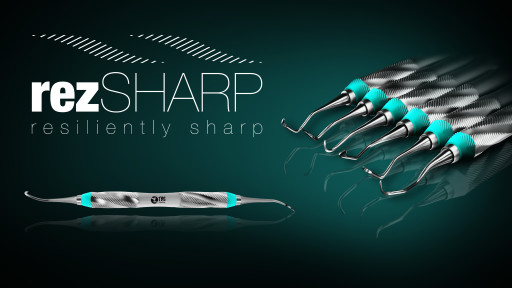 Resiliently Sharp Line of Scalers and Curettes
rezSHARP Launch Photo rezSHARP line of Scalers and Curettes by TBS Dental
…
HealthJoy Leader Wins Teladoc Health Forum Transformational Leadership Award
 Doug Morse-Schindler of HealthJoy Honored for Driving the Adoption of Virtual Care through Bold Leadership and an Unwavering Commitment to Excellence
…
Sendero Managing Director Jeff Schar Elected to the Tennessee Chapter of HIMSS Board of Directors
 Sendero Managing Director Jeff Schar
DALLAS, July 26, 2023 (Newswire.com)
–
Sendero, a management consulting firm with expertise delivering strategic p…
Imagene’s AI-Based Molecular Profiling Revolutionizes Lung Cancer Diagnostics: Two Patients Receive Immediate Targeted Therapy, Avert Brain Radiation
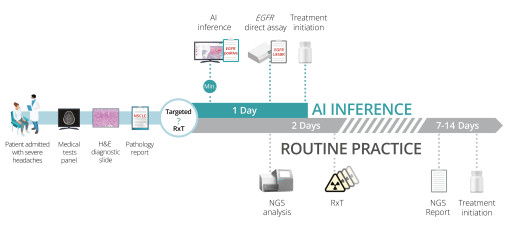 A groundbreaking case report publication on the impact of rapid molecular testing on lung cancer patients
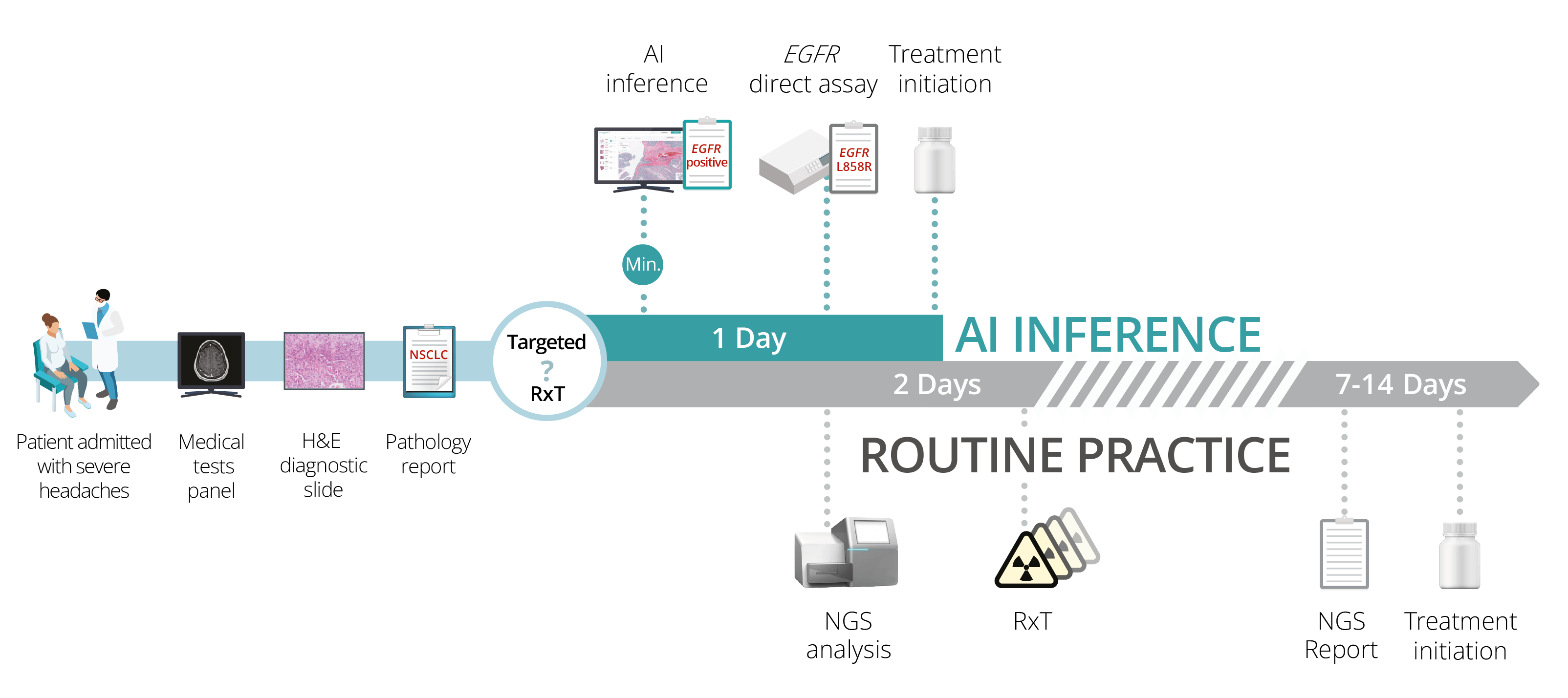
Schematic representation of the case
The adoption of new tools as AI-based molecular profiling in the clinical workflow has the potential to dramatically improve the routine pipeline and enhance the abilities of physicians to provide optimal patient care
TEL AVIV, Israel, July 26, 2023 (Newswire.com)
–
Imagene, an emerging leader in AI-based precision oncology, is pleased to announce the publication of a case report in the Journal of Clinical Pathology. The report, titled “Artificial Intelligence (AI) Molecular Analysis Tool Assists in Rapid Treatment Decision in Lung Cancer” demonstrates the successful application of Imagene’s AI technology in rapid molecular testing for lung cancer patients, conducted as part of a joint prospective study with the Pathology Department at the Sourasky Medical Center.
The case report describes two patients in their early 40s who were admitted at the emergency room with severe headaches. Brain MRIs and CT scans revealed suspected metastatic lung cancer that was confirmed by a biopsy analysis at the pathology lab. The patients needed immediate intervention and could not afford to wait for comprehensive genomic profiling results. To allow prompt decisions without compromising the small amount of remaining tissue, Imagene’s rapid AI-based molecular testing was used as part of collaborative research.
Prof. Dov Hershkovitz, Head of the Pathology Department at the Sourasky Medical Center, said, “The ability to use Imagene’s AI technology in these cases was a game-changer. It allowed us to bypass the usual lengthy waiting period associated with comprehensive genomic profiling. This technology is revolutionizing the way we diagnose patients, with the potential to improve outcomes and save lives.”
The Imagene algorithmic inference identified, within minutes, positive EGFR mutation, from the biopsy H&E image. A subsequent rapid RT-PCR test for EGFR mutations was indeed positive, allowing for immediate targeted treatment initiation and avoiding the need for whole brain radiation therapy. Both patients’ MRI scans after two months showed significant improvement with disappearance of the enhancement. A news channel also featured this case, including an interview with the patient. She shared her personal experience and highlighted the significant positive psychological impact that the rapid testing had on her.
“These real-life cases underscore the transformative potential of AI in precision oncology,” said Dean Bitan, Co-founder and CEO of Imagene. “Our technology enabled the medical team to make a rapid, informed treatment decision, ultimately saving precious time and improving the patient’s prognosis. We are proud to be at the forefront of this revolution, working hand-in-hand with leading medical centers on prospective studies to enhance patient care and impact patients’ lives.”
“One of the hardest things as an oncologist is to tell my patients we need to wait for a molecular diagnosis in order to start the optimal personalized treatment. It is groundbreaking to be able to have a molecular profile from the biopsy image within minutes,” added Prof. Ido Wolf, Head of Oncology, Sourasky Medical Center. “With the help of the rapid AI-based diagnoses, we are able to navigate patients’ journeys and make immediate informed treatment decisions that have such a great impact on our patients’ lives.”
Imagene continues to pursue the advancement of AI in precision oncology, providing innovative solutions that enhance cancer patients’ care and streamline clinical workflows. This technology can make molecular testing accessible to all cancer patients, particularly those in under-tested populations.
About Imagene
Imagene is an emerging leader in AI-based precision oncology. The company leverages AI to profile, within minutes, a broad range of cancer biomarkers from a digitized biopsy image alone, providing physicians with immediate oncology intelligence to ensure optimal treatment for all cancer patients. Imagene’s multidisciplinary team of data scientists, biologists, software engineers, and medical experts is committed to scientific excellence and collaboration, advancing precision oncology, and improving patient outcomes.
For more information, please visit imagene-ai.com.
Contact Information:
Avital Rabani
Head of Marketing
Original Source:
Imagene’s AI-Based Molecular Profiling Revolutionizes Lung Cancer Diagnostics: Two Patients Receive Immediate Targeted Therapy, Avert Brain Radiation