
The opening act – Penguin Random House | Ecopetrol
Grey Col | Inés De Ninnis CD, nos habla sobre Opening act
The opening act – Penguin Random House | Ecopetrol
Grey Col | Inés De Ninnis CD, nos habla sobre Opening act
How an Installment Loan Could Improve Your Credit Score
NEW YORK, February 17, 2023 (Newswire.com)
–
iQuanti: An installment loan can help a borrower cover a variety of expenses like car repairs, medical bills, and…
‘Living Grieving’ by Hay House Author Karen V. Johnson, JD, is a 2022 Silver Nautilus Book Award Winner
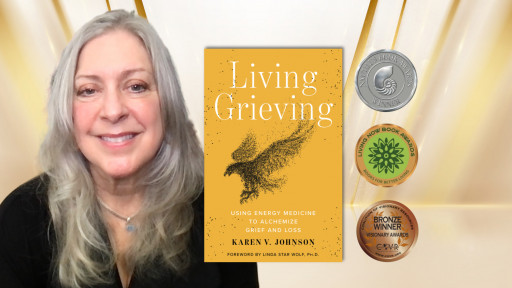 Heal grief and loss of any kind with simple-to-use tools
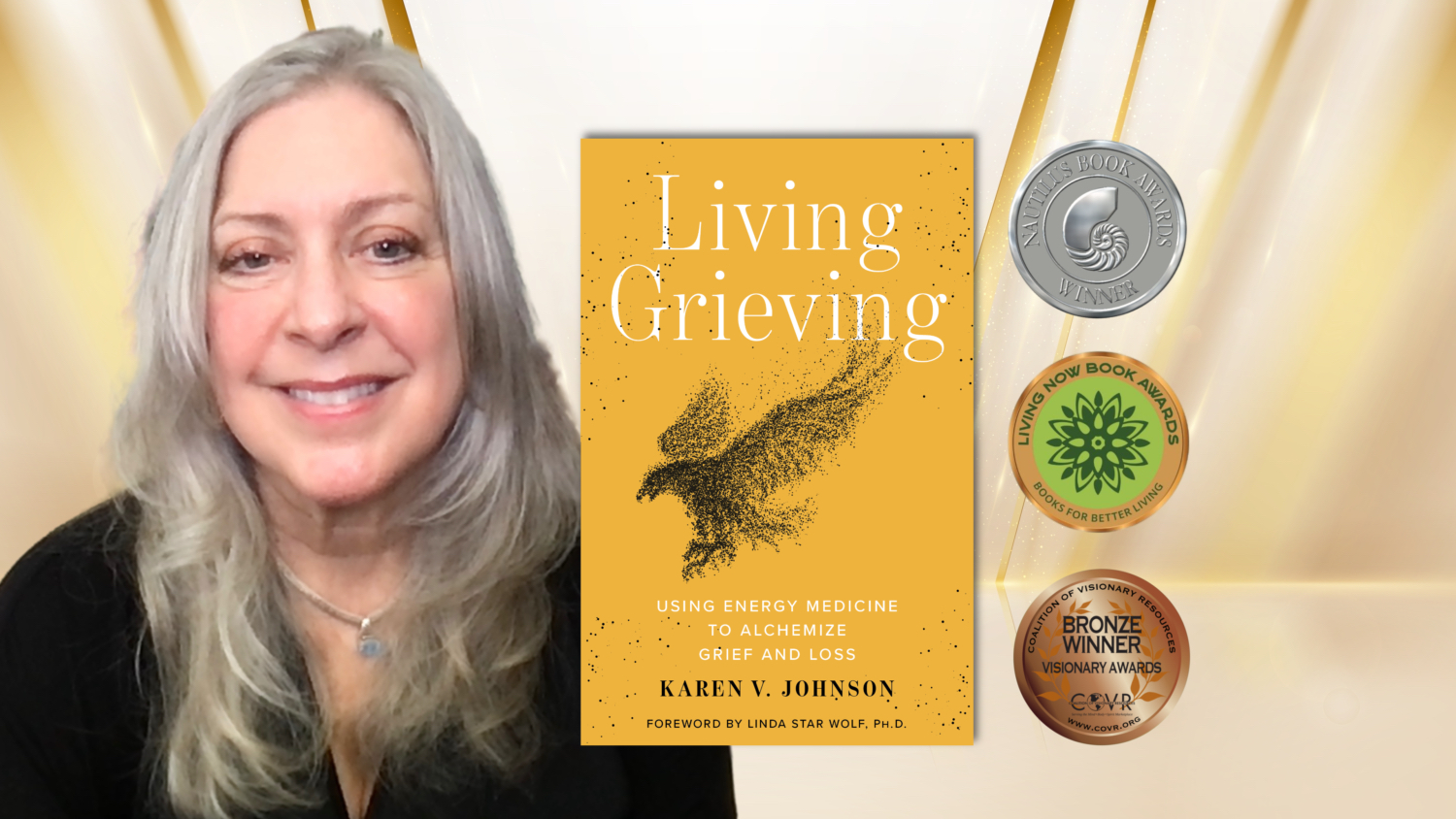
Karen V. Johnson
Hay House author of Living Grieving book awards
ATLANTA, February 17, 2023 (Newswire.com)
–
Hay House author Karen V. Johnson, JD, was awarded the Silver Nautilus Award for her new book Living Grieving: Using Energy Medicine to Alchemize Grief and Loss. Based on Karen’s heartbreaking journey of losing her son to a drug overdose, she blends her personal journey through grief with the transformative healing path she discovered along the way.
Karen V. Johnson’s fast-paced professional life came to an abrupt halt when she lost her 27-year-old son to a heroin overdose. Rather than grieve in a way that made people around her comfortable, she did the unexpected. She left her lifetime appointment as a Federal Judge of over 30 years, sold her house and all her belongings, and went on a two-and-a-half-year journey that took her all over the world, finding a healing and spiritual practice along the way.
Karen didn’t think she could ever find her way out of despair, but she found a process that worked – a sacred journey and map through grief and loss that she shares with others so they can heal too. The Hay House, Nautilus award-winning book Living Grieving: Using Energy Medicine to Alchemize Grief and Loss offers simple-to-use tools to address grief and loss of any kind. Including grief and loss of:
- a passed loved one
- a beloved pet
- a former way of life
- a job
- a home
- a sense of self
Karen V. Johnson, JD, MPH, MPIA, is a graduate of Georgetown Law Center (J.D.), a former Fulbright Scholar in Afghanistan, and holds Master’s Degrees in Public Health and Public and International Affairs (MPH, MPIA). Karen is a retired federal administrative law judge who practiced criminal and energy law for more than 30 years and is a former U.S. Army JAG officer, Major, USAR (inactive). Karen has trained extensively in the techniques of Illumination, Soul Retrieval, Extractions of Energies and Entities, Divination, and Death Rites. www.karenjohnson.net
It’s not possible to go back to the life we lived before grief and loss, but we don’t have to remain stuck in the overwhelming emotions of guilt, anger, fear, resentment, and despair – a stagnant place of lifelessness. Join Karen and create a new and powerful self-realized life by visiting her website at www.KarenJohnson.net.
“…Johnson doesn’t skimp on discussing more practical measures for facing grief. She writes with candor on the challenge of training her mind to meditate, of the power of ‘living consequently,’ and the value of seeking out and welcoming new experiences.” – BookLife Review
“Readers enduring bereavement are sure to see themselves in her bleak confessions of anguish and take comfort from her warm encouragement to undertake new beginnings.” – Kirkus Review
Contact Information:
Marianne Pestana
Public Relations
3039456195
Original Source:
‘Living Grieving’ by Hay House Author Karen V. Johnson, JD, is a 2022 Silver Nautilus Book Award Winner
President Julius Maada Bio of Sierra Leone to Launch Revolutionary Telemedicine Preventive Healthcare Project in 2023
 Sierra Leone, in collaboration with ILMedicare, is launching a groundbreaking healthcare project aimed at transforming medical services and making them accessible to all.
…
Eachnight.com Announces Best Presidents Day Mattresses Sales of 2023
 Eachnight.com is among the top online mattress reviewers in the country and offers in-depth mattress reviews, sleep guides, and useful snooze tips. Today, they release their list of the best Presidents Day mattress sal…
Jessica Simpson Hid a Painful Truth for Years | #shorts #Goalcast #Motivation
 The world thought Jessica Simpson was a joke but underneath it all she was hiding a dark secret.
GVHD Alliance to Honor Steven Pavletic With the Inaugural Lukas D. Wartman GVHD Achievement Award
First-ever award will be presented at the 2023 Tandem Meetings in conjunction with the inaugural GVHD Day on Friday, Feb. 17, 2023
…
9 Steps to Take When There’s a Death in the Family
NEW YORK, February 16, 2023 (Newswire.com)
–
iQuanti: Losing someone is never easy, and the grieving process can be difficult and overwhelming. Not to mention all the practical things to take care of when you lose someone close, such as making the funeral arrangements, clearing out the deceased’s home, and managing financial matters.
Everyone’s experience is different and there is no “right” way to grieve, but these nine steps may help during this time of mourning:
1. Reach out to your support system. It can be helpful to talk with close friends or family members about the situation and find solace in their understanding. After losing a loved one, it can be comforting to hear stories and memories of the person who has passed away.
2. Make a plan for sharing the news. Talk through who should be contacted, as well as when and how you want to deliver the news of your loss.
3. Give yourself space to grieve. The first few days can be some of the most difficult, with funeral arrangements to make and practical matters to take care of. Remember to allow yourself time and space to process the emotions that come up. Practice self-care and remember to take care of your physical health during this difficult time.
4. Consider memorial arrangements. You may want to talk with family members or close friends to determine what type of arrangements you would like to make. Depending on the wishes of the deceased—and plans, if they made any—decide what type of service should be held, who will officiate, and where it will take place.
5. Publish an obituary. Consider writing an obituary or sharing a reflective note to honor the life of the deceased. Thinking about the deceased’s life can help you start to process your grief.
6. Talk with children and grandchildren in your family. Depending on their age and understanding, you may need to provide additional support and explain what is happening in simple language they can understand.
7. Gather important documents. Ensure that you have access to all the necessary legal and financial documents related to the deceased, such as a driver’s license, Social Security card, birth certificate, marriage certificate, will or trust, insurance policies and bank account information. Get copies of the death certificate if needed.
8. Notify any important institutions. When you are ready, contact banks, creditors, employers and other important institutions related to the deceased. This can mean contacting the deceased’s life insurance provider and notifying them (this is true whether the deceased had a term life policy or a permanent policy like whole life insurance).
9. Understand that grief is a process. Give yourself time and permission to grieve and heal for as long as needed. Remember that grief looks different for everyone. As time goes by, you may decide that you need to talk to someone, such as a therapist, for additional support. No matter what, it’s important to remember to be gentle with yourself as you go through this difficult time.
Contact Information:
Keyonda Goosby
Public Relations Specialist
(201) 633-2125
Original Source:
9 Steps to Take When There’s a Death in the Family